
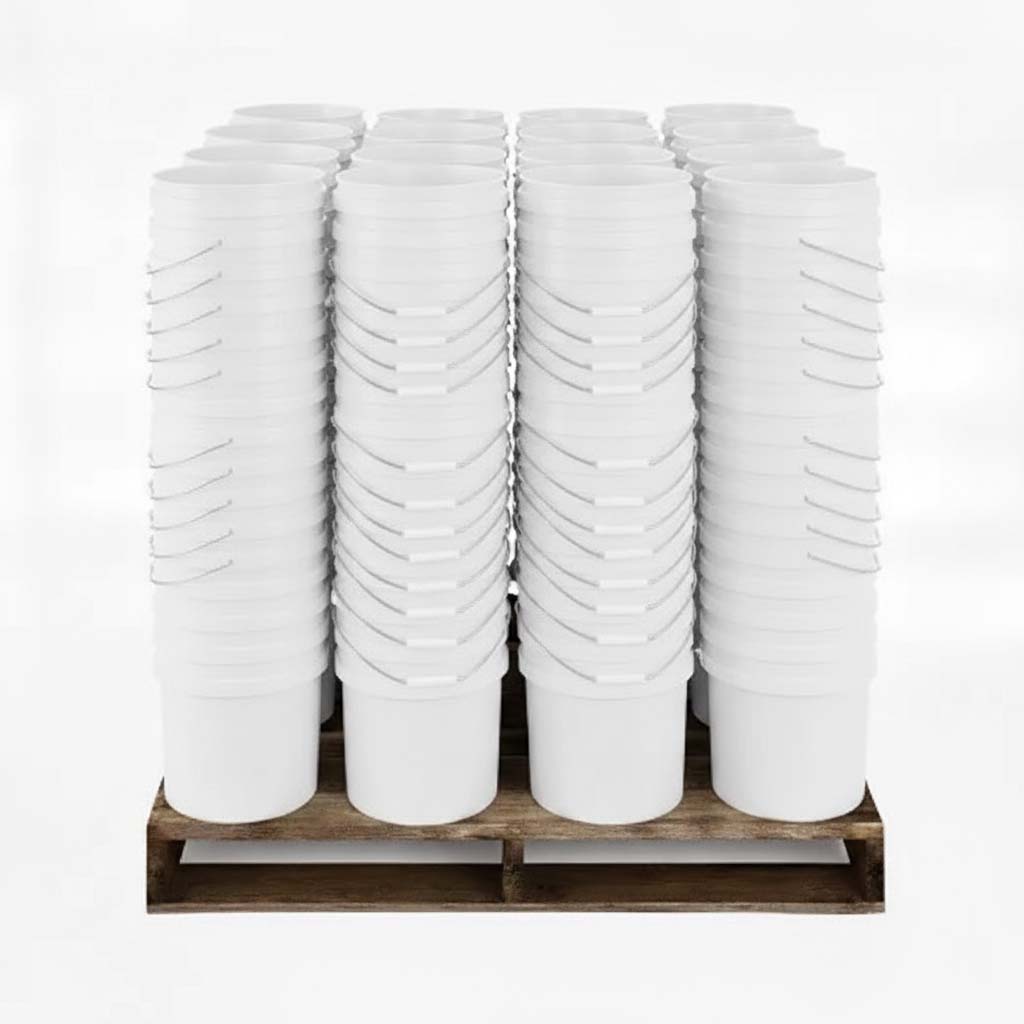
Choosing the right lid for your 2-gallon bucket might seem straightforward, but with so many options available, it can quickly become overwhelming. Whether you’re storing paint, food, or other materials, selecting the right lid ensures that your contents are protected and easy to access. In this guide, we’ll walk you through the factors to consider when choosing a lid for your 2-gallon bucket. A well-chosen lid not only keeps your contents secure but also enhances the overall efficiency of your storage solution.
Before diving into the types of lids available, it’s crucial to understand the intended use of your 2-gallon bucket. Different uses may require different types of lids. For instance, the requirements for storing dry goods will vary significantly from those needed for liquid storage. Identifying the primary purpose of your bucket will help narrow down the lid choices to those that best suit your specific needs.
Storage Needs
If you’re using your bucket for storage purposes, especially for long-term storage, you’ll want a lid that provides a tight seal. This ensures that the contents remain fresh and free from contaminants. A secure lid can also protect against pests, moisture, and temperature fluctuations, all of which can compromise the quality of your stored items. Consider the environment where the bucket will be stored, as this might also influence the type of seal you need.
Transport Requirements
For those who need to transport materials, a secure, spill-proof lid is essential. Consider lids with locking mechanisms or screw-on features to prevent leaks during movement. The ease of transport can be significantly enhanced by selecting a lid that minimizes the risk of accidental spills or exposure to air. Additionally, if your bucket contents are valuable or hazardous, the importance of a reliable transport lid cannot be overstated.
Accessibility
If your bucket’s contents require frequent access, you’ll need a lid that is easy to open and close. This might include flip-top lids or lids with easy-pour spouts. Frequent access lids should also be durable enough to withstand repeated use without losing their effectiveness. When choosing an accessible lid, balance convenience with security to ensure that the contents remain protected when not in use.
Types of Lids for 2-Gallon Buckets
Choosing the right lid involves understanding the different types available and their specific benefits. Each lid type comes with distinct advantages and potential drawbacks, making it essential to select one that aligns with your primary objectives. Below are the main types of lids you’ll encounter, each designed to cater to different storage and access needs.
Snap-On Lids
Snap-on lids are popular for their simplicity and ease of use. They are perfect for general storage and are often used for materials that don’t require an airtight seal. These lids are ideal for everyday items that don’t need stringent protection but still benefit from a dust-free environment. Snap-on lids are particularly suitable for environments where the bucket is stored indoors and risks of contamination are minimal.
Benefits
- Easy to apply and remove
- Ideal for non-sensitive contents
- Affordable and readily available
Snap-on lids are user-friendly and cost-effective, making them a go-to choice for many casual storage needs. Their widespread availability means you can easily find replacements or additional lids without hassle. However, they should be chosen carefully based on the specific storage environment to maximize their utility.
Drawbacks
- Not ideal for liquids or sensitive materials
- May not provide a complete airtight seal
Although snap-on lids are convenient, they do not offer the comprehensive protection needed for liquids or highly sensitive materials. Users must be cautious when using them in environments where exposure to air or moisture could pose a problem. Understanding these limitations is key to ensuring that snap-on lids are used appropriately.
Screw-On Lids
Screw-on lids provide a more secure closure and are excellent for both storage and transportation. They offer a balance of accessibility and security, making them a versatile choice for various applications.
Benefits
- Offers a tight seal, reducing the risk of leaks
- Great for liquids and long-term storage
- Can be reused multiple times without losing effectiveness
Screw-on lids are particularly favored for their reliability in protecting against leaks and their ability to maintain a strong seal over time. This makes them an excellent choice for both residential and commercial applications where preserving the integrity of the contents is paramount. Their reusability also provides added value over time, offering a sustainable option for frequent use.
Drawbacks
- Slightly more expensive than snap-on lids
- Requires more effort to open and close
While screw-on lids provide superior sealing capabilities, they do require a bit more effort to operate, which might be a consideration for those needing quick access. The higher cost might also be a factor for budget-conscious buyers, but the added security often justifies the expense.
Gasket-Sealed Lids
Gasket-sealed lids are designed for maximum protection. They incorporate a rubber gasket that provides an airtight seal, making them ideal for sensitive contents. These lids are often used in applications where the utmost protection is necessary, such as in food storage or chemical containment.
Benefits
- Provides a superior seal, protecting against moisture and air
- Ideal for food storage or sensitive materials
- Often used in industrial applications
With their robust sealing capabilities, gasket-sealed lids are perfect for scenarios where exposure to air or moisture could compromise the contents. They are often employed in settings where maintaining product purity or freshness is critical. Despite their higher cost, the protection they offer can prevent costly spoilage or contamination.
Drawbacks
- More expensive than other lid types
- May require more effort to secure properly
The advanced sealing features of gasket-sealed lids can also mean that they are more challenging to handle, particularly for those unfamiliar with their use. While they offer excellent protection, the additional effort required to secure these lids properly can be a downside for some users.
Pour Spout Lids
Pour spout lids are designed for easy pouring. They are perfect for liquids like paint or cleaning solutions, where controlled dispensing is necessary.
Benefits
- Allows for controlled pouring without removing the entire lid
- Reduces spills and waste
- Convenient for frequent use
These lids are especially useful in professional settings where frequent access to liquid contents is required. The ability to pour directly from the bucket without removing the lid minimizes the risk of spills, thereby conserving product and maintaining cleanliness.
Drawbacks
- May not provide an airtight seal
- Not ideal for long-term storage
While pour spout lids are convenient for dispensing, they typically do not offer the airtight seal needed for long-term storage of sensitive materials. Users should ensure that the lid’s design aligns with their storage requirements to avoid potential issues with preservation.
Material Considerations
The material of the lid can impact its functionality and suitability for certain contents. Different materials offer varying degrees of durability, weight, and resistance to environmental factors, influencing their suitability for different applications.
Plastic Lids
Plastic lids are the most common and are suitable for a wide range of uses. They are lightweight, durable, and affordable. Their versatility makes them a popular choice for both residential and commercial use, especially in environments where weight and cost are critical considerations.
Plastic lids are generally resistant to corrosion and chemical interactions, which adds to their appeal for various storage needs. However, users should be aware of potential limitations in extreme temperatures or when storing particularly reactive substances.
Metal Lids
Metal lids offer added durability and are often used for industrial purposes. They provide a strong seal and are resistant to temperature changes. This makes them ideal for environments where physical robustness and temperature stability are required.
Though metal lids are typically more expensive, their durability and ability to withstand harsh conditions make them a worthwhile investment for demanding applications. They are particularly favored in industrial settings where long-term reliability is crucial.
Sizing and Compatibility
by Davide Baraldi (https://unsplash.com/@davideibiza)
When selecting a lid, ensure it matches the dimensions of your 2-gallon bucket. A lid that is too small or too large will not provide the necessary seal, risking contamination or spillage. Compatibility is key to ensuring the effectiveness of your storage solution and preventing unnecessary waste.
Checking Dimensions
- Diameter: Measure the diameter of your bucket’s opening to ensure the lid fits snugly.
- Compatibility: Some lids are designed specifically for certain bucket models, so verify compatibility before purchasing.
Accurate measurement of your bucket’s dimensions is crucial in choosing the right lid. Ensuring compatibility not only prevents leaks and contamination but also enhances the overall efficiency of your storage system. Always double-check the manufacturer’s specifications to avoid mismatched components.
Buying Tips for 2-Gallon Bucket Lids
When you’re ready to purchase, consider the following tips to make the best choice. A thoughtful approach to buying can save both time and money, while ensuring that you select a lid that meets your needs effectively.
Consider Bulk Purchases
If you require multiple lids, buying in bulk can save money. Many suppliers offer discounts on bulk purchases, making it a cost-effective option for businesses or large projects. Bulk buying not only reduces the cost per unit but also ensures you have spare lids on hand for future needs.
Look for Quality Brands
Invest in lids from reputable brands known for quality and durability. This ensures your lids will last and perform as expected. Trusted brands often provide warranties or guarantees, adding an extra layer of assurance regarding the product’s performance.
Evaluate the Cost vs. Benefits
While it might be tempting to go for the cheapest option, consider the benefits of investing in a higher-quality lid. A better seal and durability can save money in the long run by preserving your contents more effectively. Balancing initial costs with long-term savings is key to making a smart investment in your storage solutions.