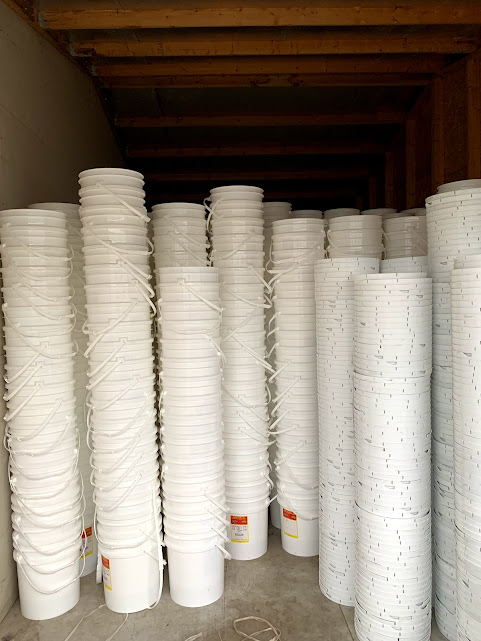
Understanding Used 5 Gallon Buckets
Businesses across agriculture, food processing, manufacturing, construction, and distribution are constantly looking for ways to reduce operating costs without sacrificing quality. One of the most overlooked opportunities is purchasing used 5 gallon buckets truckload quantities. These durable containers are widely used throughout North America and continue to serve countless applications long after their original contents have been removed. Instead of purchasing brand-new pails at premium prices, many companies are discovering the financial and operational advantages of buying professionally cleaned, reusable buckets in bulk.
A standard 5 gallon bucket is designed for durability. Most are manufactured from high-density polyethylene (HDPE), a material known for its strength, chemical resistance, and long service life. Because HDPE containers can withstand repeated use, they remain valuable even after completing their initial purpose. Many organizations now incorporate reused packaging into their supply chains as part of broader sustainability initiatives while simultaneously lowering packaging expenses. The growing interest in reusable industrial packaging aligns with broader market trends favoring cost efficiency and environmental responsibility.
What Makes a 5 Gallon Bucket Valuable?
The value of a 5 gallon bucket extends far beyond its ability to hold liquids or solids. These containers offer a unique combination of affordability, durability, portability, and versatility. Unlike disposable packaging that quickly becomes waste, a quality bucket can be reused multiple times across different applications. This longevity makes them attractive to businesses focused on maximizing return on investment.
The design itself contributes significantly to its value. The stackable shape allows warehouses to optimize storage space, while sturdy handles simplify transportation. Many buckets can accommodate various lid styles, creating secure storage solutions for powders, liquids, grains, feed, cleaning chemicals, and other materials. Because they are lightweight yet strong, businesses can transport large quantities without excessive shipping weight. According to industry sources, HDPE remains one of the most commonly used and recyclable plastics in industrial packaging, contributing to its popularity across multiple sectors.
Common Industries That Use Bulk Buckets
Few packaging products can claim the versatility of the 5 gallon bucket. Agriculture operations frequently use them for feed storage, seed transportation, fertilizer handling, and irrigation projects. Food processors rely on food-grade buckets for storing ingredients, sauces, syrups, and dry goods. Construction companies use them to transport tools, hardware, grout, mortar, and various job-site materials.
Janitorial companies also depend heavily on 5 gallon containers for mixing and distributing cleaning solutions. Manufacturing facilities utilize buckets for raw materials, production components, and temporary storage applications. Landscaping businesses find them useful for transporting soil amendments, mulch, fertilizers, and equipment. The sheer diversity of industries using these containers explains why truckload purchases continue to grow in popularity among organizations seeking consistent supply and predictable costs.
Why Buy Used 5 Gallon Buckets by the Truckload?
Purchasing truckload quantities changes the economics of packaging procurement. Instead of paying retail prices for smaller quantities, businesses gain access to significantly lower per-unit costs. For organizations that consume hundreds or thousands of buckets annually, these savings can become substantial over time.
Think of it like buying fuel for a fleet. Purchasing a single gallon at a convenience store is convenient, but buying in bulk dramatically lowers the cost per unit. The same principle applies to used buckets. Truckload purchases allow companies to secure inventory at pricing levels that support healthier profit margins while ensuring uninterrupted operations.
Cost Savings Compared to New Buckets
Cost reduction remains the primary driver behind truckload bucket purchases. New buckets often command significantly higher prices due to raw material costs, manufacturing expenses, and supply chain markups. Used buckets provide a practical alternative for businesses that do not require brand-new containers.
Many companies report savings ranging from 20% to 50% when switching from new containers to professionally cleaned used buckets. These savings become particularly meaningful for distributors, processors, farms, and manufacturers that require thousands of containers annually. Even a small reduction in per-unit cost can translate into tens of thousands of dollars saved each year.
Recent wholesale pricing analyses indicate that used bucket pricing remains considerably lower than comparable new food-grade containers, making them attractive during periods of fluctuating plastic costs.
Large Volume Availability
Another major benefit of truckload purchasing is availability. Businesses operating at scale cannot afford supply disruptions. Buying a full truckload provides immediate access to thousands of containers that can support operations for months.
A typical full truckload may contain over 6,000 buckets, while half-truckload quantities often exceed 3,000 units. These volumes allow organizations to maintain inventory levels, respond to seasonal demand, and reduce the administrative burden associated with placing frequent small orders. Bulk purchasing also improves forecasting and procurement efficiency, enabling managers to focus on strategic priorities rather than constantly sourcing packaging materials.
Sustainable Packaging Benefits
Environmental responsibility has become an increasingly important business objective. Reusing containers extends their useful life and reduces demand for newly manufactured plastic products. Rather than entering the waste stream immediately, used buckets continue delivering value through additional service cycles.
Research and industry reports consistently highlight the benefits of reuse systems over single-use packaging. Reuse can significantly reduce packaging production requirements while lowering resource consumption and emissions associated with manufacturing. Businesses adopting reusable packaging strategies often improve both sustainability metrics and operational efficiency.
Truckload Quantities Explained
Understanding truckload options helps buyers select the right purchasing strategy. The ideal quantity depends on operational requirements, storage capacity, and budget considerations.
Full Truckload Orders
A full truckload purchase represents the most economical option for high-volume users. Large manufacturers, agricultural distributors, food processors, and regional supply companies often prefer this approach because it maximizes per-unit savings.
The benefits extend beyond pricing. Full truckload orders reduce shipping frequency, streamline inventory planning, and improve supply reliability. Organizations that know their annual bucket consumption can secure inventory in advance and avoid potential shortages during peak demand periods.
Half Truckload Orders
Not every business requires thousands of buckets at once. Half-truckload orders provide a balanced solution for mid-sized operations. These quantities offer meaningful volume discounts while requiring less warehouse space and lower upfront investment.
For growing businesses, half-truckload purchases often represent an ideal stepping stone. Companies gain access to wholesale pricing structures without committing to the storage requirements associated with a full truckload.
Pallet Orders vs Truckloads
Smaller organizations sometimes begin with pallet purchases before transitioning to truckload quantities. While pallets provide flexibility, they generally carry higher per-unit costs due to handling and transportation inefficiencies.
| Purchase Type | Typical Volume | Best For |
|---|---|---|
| Pallet Order | Around 100-150 Buckets | Small Businesses |
| Half Truckload | 3,000+ Buckets | Mid-Sized Operations |
| Full Truckload | 6,000+ Buckets | Large Manufacturers & Distributors |
Businesses expecting steady usage often discover that truckload purchases deliver the strongest long-term value proposition.
Applications for Used 5 Gallon Buckets
The remarkable adaptability of these containers explains their continued demand across industries. Whether storing liquids, transporting materials, or organizing inventory, used buckets perform countless functions.
Agriculture and Farming
Farmers appreciate practical equipment that delivers reliability without excessive costs. Used 5 gallon buckets excel in agricultural environments because they are durable, lightweight, and easy to transport. Common uses include feed storage, seed distribution, fertilizer handling, harvesting, and irrigation support.
Many farming operations purchase truckloads because seasonal demand can be substantial. During planting and harvest periods, having thousands of containers readily available helps maintain efficiency and minimize downtime.
Food Processing and Storage
Food-grade buckets remain essential within food manufacturing and processing facilities. Ingredients such as spices, syrups, sauces, grains, and powders often require secure storage and transportation. Properly cleaned food-grade containers offer an economical solution while maintaining operational standards.
Businesses handling food products should always verify cleaning procedures, previous contents, and compliance requirements before purchase. When sourced from reputable suppliers, used food-grade buckets can provide substantial cost savings without compromising functionality.
Construction and Manufacturing
Construction sites are demanding environments where equipment and containers endure significant wear and tear. Contractors frequently use buckets for mixing materials, transporting hardware, organizing tools, and managing waste.
Manufacturers also benefit from reusable buckets for raw material storage, production support, and inventory management. The rugged nature of HDPE construction makes these containers well suited for industrial settings where durability matters.
Cleaning and Janitorial Services
Commercial cleaning companies consume large numbers of buckets every year. Mixing chemicals, transporting supplies, and organizing equipment all require dependable containers. Used buckets allow janitorial operations to control costs while maintaining productivity.
Because cleaning contractors often operate across multiple locations, truckload purchases help ensure consistent supply and standardization throughout their organizations.
What to Look for When Buying Truckloads
Not all used buckets are equal. Buyers should evaluate several factors before committing to large-volume purchases.
Cleaning and Inspection Standards
Professional cleaning processes are essential when purchasing used containers. Buckets should be thoroughly washed, inspected, and sorted before shipment. Reputable suppliers remove damaged units and ensure containers meet expected quality standards.
Requesting information about cleaning procedures, inspection protocols, and previous contents helps buyers make informed decisions. Transparency from suppliers is often a strong indicator of product quality and reliability.
Food Grade vs Industrial Grade
Understanding the difference between food-grade and industrial-grade buckets is critical. Food-grade containers are manufactured to standards suitable for food contact applications, while industrial-grade buckets may have been used for chemicals or non-food materials.
Selecting the correct type depends entirely on intended use. Businesses should never assume all used buckets are interchangeable. Verifying specifications before purchase protects both operations and customers.
Shipping and Logistics Considerations
Transportation plays a significant role in truckload economics. Buyers should evaluate freight costs, delivery schedules, unloading requirements, and warehouse capacity before placing large orders.
An attractive bucket price can quickly become less appealing if logistics challenges create delays or unexpected expenses. Successful procurement involves evaluating the total delivered cost rather than focusing solely on the purchase price.
Pricing Factors for Truckload Purchases
Several variables influence truckload pricing throughout the year.
Market Conditions
Plastic resin costs, transportation expenses, labor availability, and regional demand all affect bucket pricing. Fluctuations in raw material markets can influence both new and used container prices.
Businesses monitoring market trends often identify favorable purchasing windows that maximize savings. Strategic buyers frequently secure inventory before seasonal demand increases place upward pressure on pricing.
Quantity Discounts
Volume remains one of the strongest pricing factors. Larger purchases generally result in lower per-unit costs because suppliers benefit from reduced handling and administrative expenses.
Organizations with sufficient storage capacity often achieve the greatest value by consolidating purchases into fewer, larger shipments. This approach lowers transportation costs while improving procurement efficiency.
Conclusion
Used 5 gallon buckets truckload purchases offer a powerful combination of affordability, reliability, and sustainability. For businesses that rely on large quantities of containers, buying in truckload volumes can significantly reduce operating costs while ensuring a consistent supply of durable packaging. Whether serving agriculture, food processing, manufacturing, construction, or janitorial operations, these versatile containers continue to deliver value long after their first use.
As packaging costs continue to influence business profitability, reusable solutions are becoming increasingly attractive. Organizations that embrace truckload purchasing gain more than just lower prices—they secure operational stability, support sustainability initiatives, and improve overall efficiency. In a competitive marketplace where every dollar matters, used 5 gallon buckets remain one of the smartest bulk purchasing decisions available.
FAQs
1. How many buckets are typically included in a truckload?
A full truckload commonly contains around 6,000 to 6,500 buckets, while half-truckload orders usually include approximately 3,000 buckets.
2. Are used 5 gallon buckets safe for food storage?
Food-grade used buckets can be suitable for food-related applications when properly cleaned and sourced from reputable suppliers.
3. How much money can businesses save with used buckets?
Savings often range from 20% to 50% compared to purchasing comparable new containers, depending on quantity and market conditions.
4. What industries benefit most from truckload purchases?
Agriculture, food processing, manufacturing, construction, landscaping, and janitorial services are among the largest users.
5. Why are HDPE buckets so popular?
HDPE offers durability, chemical resistance, lightweight handling, and recyclability, making it ideal for repeated use across many industries.
For more information on HDPE bucket standards and food-grade classifications, visit the Plastics Industry Association.
Shop our full selection of used 5 gallon buckets at Those Bucket People and get a free quote today.

